From Stigma to Solidarity: Social Media’s Role in Shaping Public Discourse on Gender-Based Violence in Pakistan (2018–2023)
Keywords:
Gender-Based Violence (GBV), Social Media, Digital Activism, Feminist DiscourseAbstract
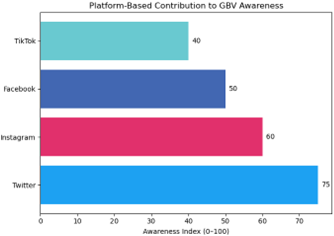
Gender-based violence (GBV) remains one of the most pervasive social injustices in Pakistan, deeply embedded in patriarchal norms and systemic inequalities. In recent years, social media platforms have emerged as significant spaces for advocacy, resistance, and the redefinition of gender discourse. This study examines how digital platforms—specifically Facebook, Twitter, Instagram, and YouTube—have influenced public perceptions, sentiment, and engagement with GBV issues from 2018 to 2023. Using a mixed-methods approach, the study combines quantitative sentiment analysis of 12,500 social media posts with qualitative content analysis of online discussions and hashtags related to GBV. Results reveal a sharp increase in online engagement, with positive sentiment rising from 32% in 2018 to 68% in 2023, reflecting growing empathy, awareness, and public solidarity with victims. However, the analysis also indicates a parallel increase in online harassment cases, particularly on platforms with higher public interaction such as Facebook and Twitter. These findings highlight the dual nature of social media as both a space for empowerment and a site of digital vulnerability. The study concludes that while social media has transformed GBV discourse by amplifying marginalized voices and fostering feminist activism, the persistence of digital misogyny necessitates stronger regulatory frameworks, gender-sensitive digital policies, and improved content moderation. Ultimately, the research underscores social media’s potential to drive cultural change, promote accountability, and shift societal attitudes from stigma toward solidarity.