Protective Factors of Resilience Among Natural Disaster Responders: A Rapid Systematic Review
Keywords:
Safeguards, Resilience, Health, Human Assistance, Environmental Disaster Occurrences, And Quick, Methodical EvaluationAbstract
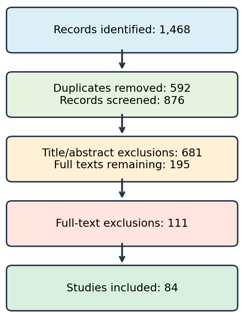
The safety of those forced to intervene is significantly impacted by how natural disasters are managed. To protect operators' mental health and enable a successful community response, it is critical to identify and take advantage of the elements that support their resilience and well-being. After searching the databases Scopus, Web of Science, PubMed, and PsycINFO for relevant literature, 876 items were found. The goal of this brief systematic literature review is to find and evaluate information about the protective qualities of resilience and wellbeing in assistance workers during natural disasters. After a thorough textual analysis, we evaluated 84 submissions for potential inclusion. The findings show that a variety of participant samples and procedures were used in the investigations. The resilience and welfare of relief workers are influenced by a number of important elements, including individual traits, adaptive techniques, and the degree of catastrophe or community involvement. Other elements include education, internal disputes, group support, and the organization's or society's overall preparedness. As this succinct assessment shows that empowering supporters is a critical component of resilience, it is imperative to foster internal resilience by improving team and internal resources, offering training in self-care approaches, and putting in place extra supportive programs.